
After many years, during which I provided and continue to provide legal services to important companies located in Chacabuco, Provincia de Buenos Aires, working in my Law Firm (www.nfla.com.ar) in Ciudad Autónoma de Buenos Aires, a few months ago I returned to this City, where I spent part of my childhood and adolescence.
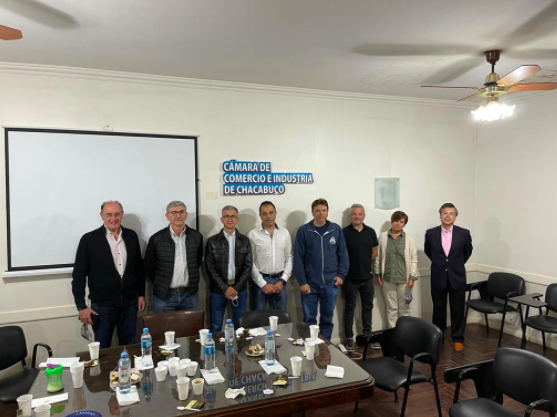
In this case, I am working in Chacabuco, advising foreign investors for their establishment, as Director of Biotrigo Genética SRL.
Bitrigo Genetica SRL is part of a Brazilian Group of Companies, leader in the improvement of wheat sedes and I was in charge of the installation and start-up of the first own Experimental Station in Argentina, with state-of-the-art biogenetic technology.
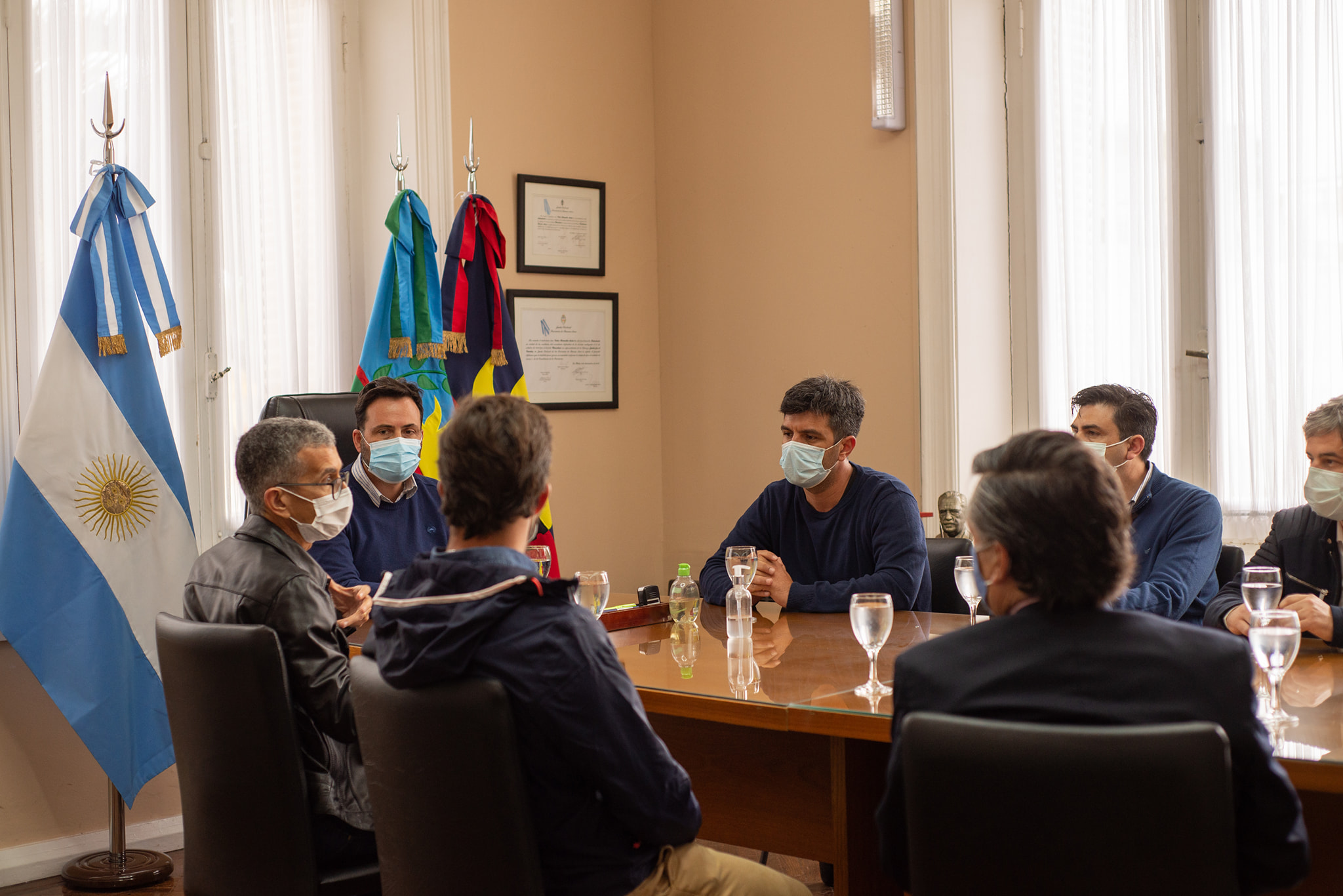
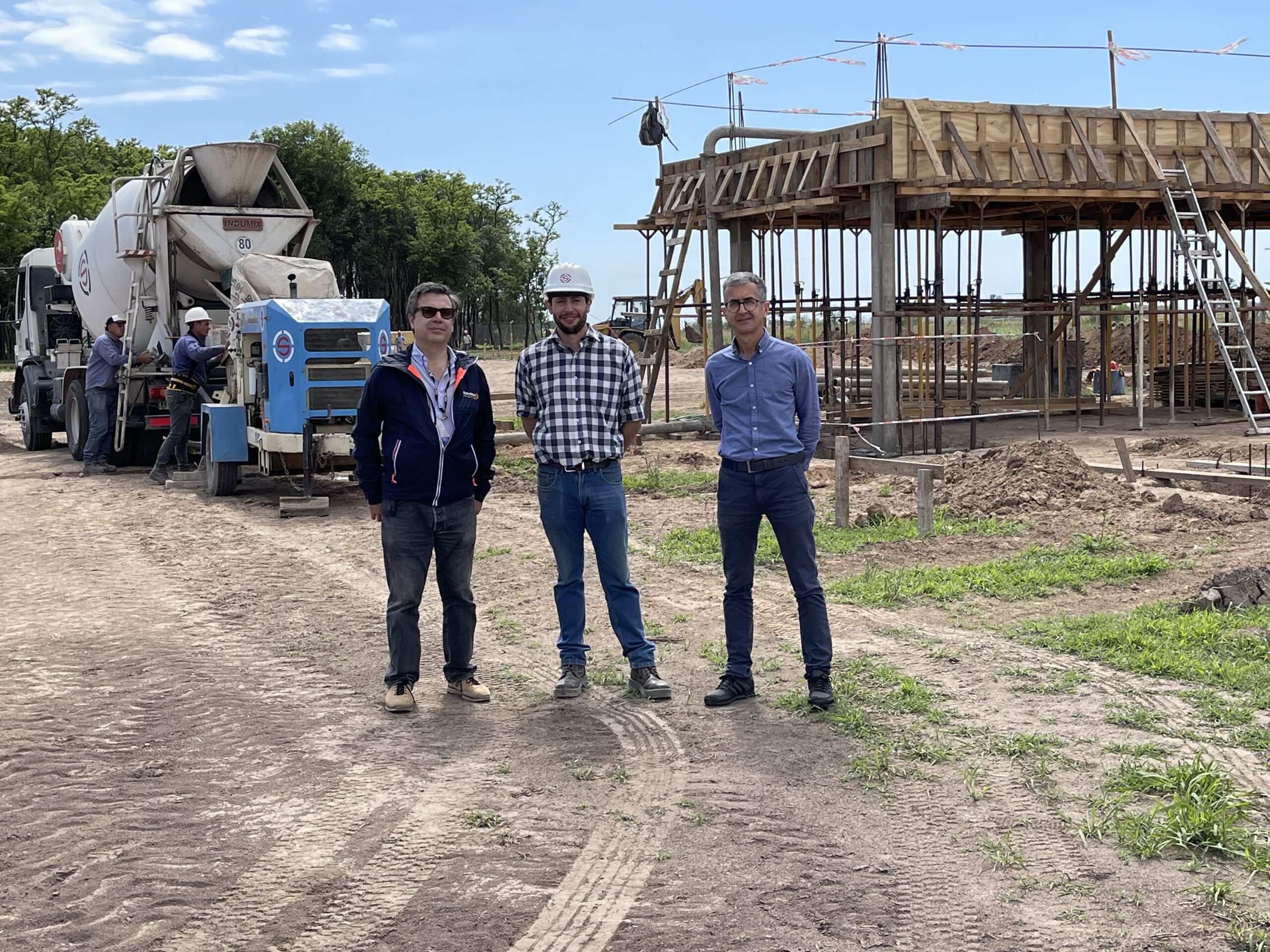
This project, in whose development I met professionals and companies of value in the area, has given me the satisfaction of bringing innovation and the possibility of growth to Chacabuco, and to its primary and industrial productive sector.
It is a reality that the agricultural sector continues to generate attraction in the world, and I am convinced that it will be fundamental for the growth of the region, not only in Argentina, but in South America.
On the other hand, I’m sure that agriculture is the sector that can contribute the most to mitigating the effects of climate change in the world.
An example that validates this paradigm of change in the productive matrix is found in Uruguay. There are very solid projects for innovative livestock production, such as the experiences that are taking place in regenerative livestock farming.
As an example, the Savory Institute, a non-governmental organization focused on large-scale regeneration productive practices through the holistic management of agriculture and livestock, trains producers and monitors their production, which allows them to emit «Green bonds».
The green bonds that will be generated from this sector in the region will be useful to counteract the pollution generated by other productive activities around the world.
Savory Institute, through its associated institutes, has an active presence in Argentina, Uruguay and Brazil, which is why I understand that the region is called to be a leader in these new successful agricultural practices, in terms of yield, in the short and long term.



Deja tu comentario